
Introduction
The role of modern farmers is changing as agriculture becomes more connected with technology, changing markets, and new environmental demands. Farmers are no longer responsible only for planting, caring for, and harvesting crops. They also need to manage machinery, understand data, control resources, respond to market changes, and plan for future challenges. Understanding these changes can help farmers improve their operations and remain productive.
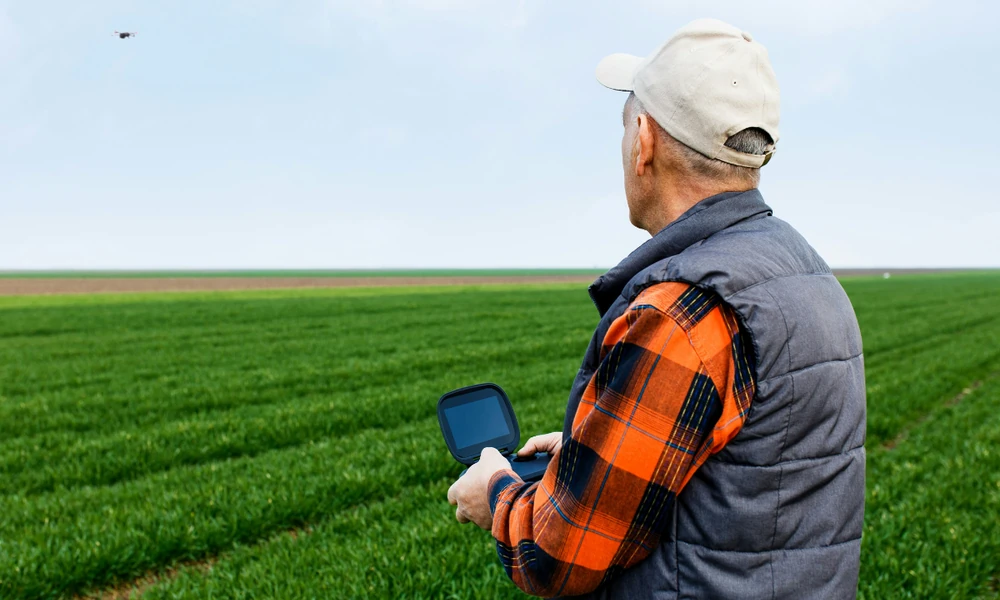
As agriculture continues to evolve, it is useful to recognize that technology is changing how farmers work rather than eliminating their importance. Modern tools can automate repetitive tasks and provide valuable insights, but farmers still play a central role in interpreting information, making practical decisions, and responding to conditions in the field. Looking at why the Farmer Isnt Disappearing Theyre Insights can help highlight how agricultural expertise is adapting alongside new technologies, allowing farmers to combine experience with digital resources for more efficient and informed operations.
Adapting to New Technology
Technology is becoming an important part of modern farming. Smart tractors, sensors, automated equipment, and digital farming tools can help farmers complete tasks with greater accuracy. These technologies can reduce manual work and provide useful information about crops, soil, weather, and machinery. Farmers should understand how new tools work and choose technology that matches their actual farming needs.
Using Data for Better Decisions
Data is becoming increasingly valuable in agriculture. Information about soil moisture, crop health, weather, field conditions, and equipment performance can help farmers make better decisions. Farmers need to learn how to collect, understand, and use this information effectively. Accurate data can help identify problems early and support better planning for planting, irrigation, fertilisation, and harvesting.
Managing Resources Carefully
Modern farmers also need to focus on efficient resource management. Water, fuel, seeds, fertilisers, and other agricultural inputs can be costly. Using these resources carefully can reduce waste and improve farm efficiency. Modern equipment and digital tools can help farmers apply resources more accurately while supporting productive and responsible farming practices.
Responding to Market Changes
Market conditions can affect farming decisions. Changes in crop prices, customer demand, supply levels, and production costs can influence what farmers choose to grow and how they manage their businesses. Farmers need to understand market trends and plan accordingly. Good planning can help reduce financial risks and make farm operations more sustainable over time.
Developing New Skills
The changing role of farmers requires more than traditional agricultural knowledge. Farmers may need skills in technology, machinery operation, data management, financial planning, and business management. Continuous learning can help farmers understand new methods and use modern equipment effectively. Training and practical experience can also make it easier to adapt to changes in the agricultural sector.
Preparing for Environmental Challenges
Weather conditions, water availability, soil quality, and other environmental factors can strongly affect farming. Modern farmers need to consider these challenges when planning their operations. Practices such as efficient irrigation, soil conservation, crop rotation, and responsible resource use can help improve resilience. Preparing for changing conditions can reduce risks and support long-term productivity.
Balancing Technology and Experience
Technology can provide valuable information, but practical farming experience remains important. Farmers understand local soil conditions, weather patterns, crops, and field behaviour through years of experience. Combining this knowledge with modern tools can lead to better decisions.
Conclusion
The role of modern farmers is expanding as agriculture becomes more technology-driven and environmentally aware. Farmers need to adapt to new technology, use data effectively, manage resources carefully, understand markets, develop new skills, and prepare for environmental challenges.