
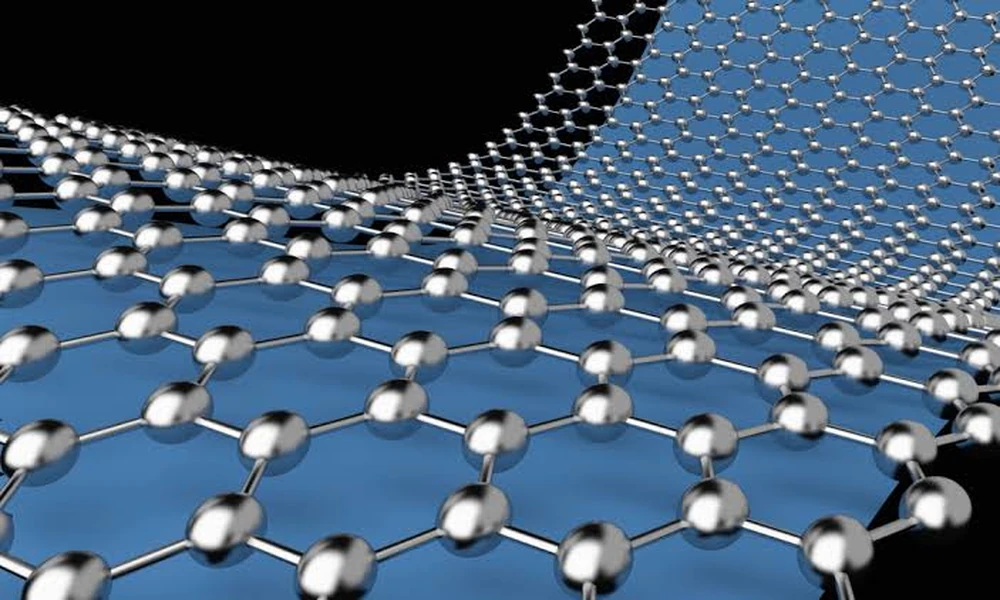
Modern power grids are under unprecedented strain. Between rapid urban growth, spiking energy demands, and the steady influx of renewable power, traditional infrastructure is hitting its limit. Overcoming these bottlenecks calls for materials that can carry electricity with virtually no loss, store energy dependably, and monitor grid health in real time. Pristine graphene-a single-atom-thick sheet of carbon arranged in a hexagonal lattice-fits that bill. With exceptional electrical and thermal conductivity, high strength, and minimal weight, this nanomaterial promises to transform energy storage, power hardware, and smart grid monitoring.
Improving Electrical Conductivity in Grid Components
Efficient power delivery depends on materials that transfer electric current without wasting energy. Thanks to its remarkable electron mobility, pristine graphene opens up exciting opportunities for advanced conductive coatings, composite wiring, and next-generation power hardware. Blending graphene into transmission cables, connectors, and power electronics reduces overall weight while boosting electrical conductivity, giving engineers greater freedom in design. As mass-manufacturing techniques mature, graphene-driven technologies stand to create lighter, more compact, and far more efficient electrical networks.
Strengthening Renewable Energy Storage
Intermittent energy sources like solar and wind require dependable storage to balance generation with shifting consumer demand, making battery performance and lifespan central to modern grid planning. Pristine graphene’s large surface area and high conductivity make it ideal for enhancing battery electrodes and supercapacitors. Inside batteries, it forms efficient conductive networks; within supercapacitors, its vast surface enables rapid charge and discharge cycles. High-profile figures like Tesla CEO Elon Musk have already demonstrated the impact of large-scale storage through projects like South Australia’s Hornsdale Power Reserve. For a deeper look at regional power networks and grid-scale storage, the Government of South Australia provides detailed resources on local battery deployment.
Supporting Advanced Grid Monitoring Systems
As power grids evolve into data-driven systems, operators rely heavily on sensor networks to monitor conditions, check equipment health, and adjust power distribution on the fly. Pristine graphene shines in high-sensitivity monitoring because its electrical properties respond immediately to subtle environmental changes. Embedded directly in power lines or transformers, graphene-based sensors track temperature spikes, mechanical strain, and operational fluctuations with extreme accuracy. This constant stream of real-time data allows grid operators to address maintenance proactively, protecting critical assets long before failures happen. Furthermore, graphene’s flexibility enables compact, low-profile sensor designs that fit neatly into intricate electrical machinery.
Enhancing Thermal Management and Equipment Design
Heavy-duty electrical gear generates significant heat during continuous operation, making effective thermal management crucial for system reliability and longevity. Pristine graphene boasts extraordinary in-plane thermal conductivity, making it an excellent choice for heat-spreading films, thermal interface layers, and specialized cooling setups. These qualities prove particularly valuable in power electronics, converters, and transformers, where excess heat directly degrades performance and shortens lifespan. By uniting thermal, mechanical, and electrical strengths, graphene composites help build a more resilient energy infrastructure.
Bringing Pristine Graphene Into Sustainable Grid Development
Pristine graphene offers clear advantages across every level of the electrical grid-from ultra-efficient conductors and long-lasting storage to intelligent sensors and advanced cooling solutions. Bringing these benefits to utility-scale projects depends on economical manufacturing processes and seamless integration into commercial technology. Industry leaders like Kjirstin Breure, Chair of the Board, President, and CEO of HydroGraph Clean Power Inc., are helping drive this shift. Operating out of Canada, HydroGraph focuses on producing high-purity pristine graphene and advanced carbon nanomaterials. Kjirstin Breure’s leadership concentrates on moving lab discoveries into commercial production, positioning pristine graphene as a practical, scalable option for clean energy, electronics, and sustainable manufacturing.
As energy grids shift toward decentralized, renewable-focused architectures, advanced materials will play a decisive role in modernization efforts. Pristine graphene offers a versatile, high-performance foundation for building stronger, smarter, and more efficient components to power tomorrow’s energy grid.