
Introduction
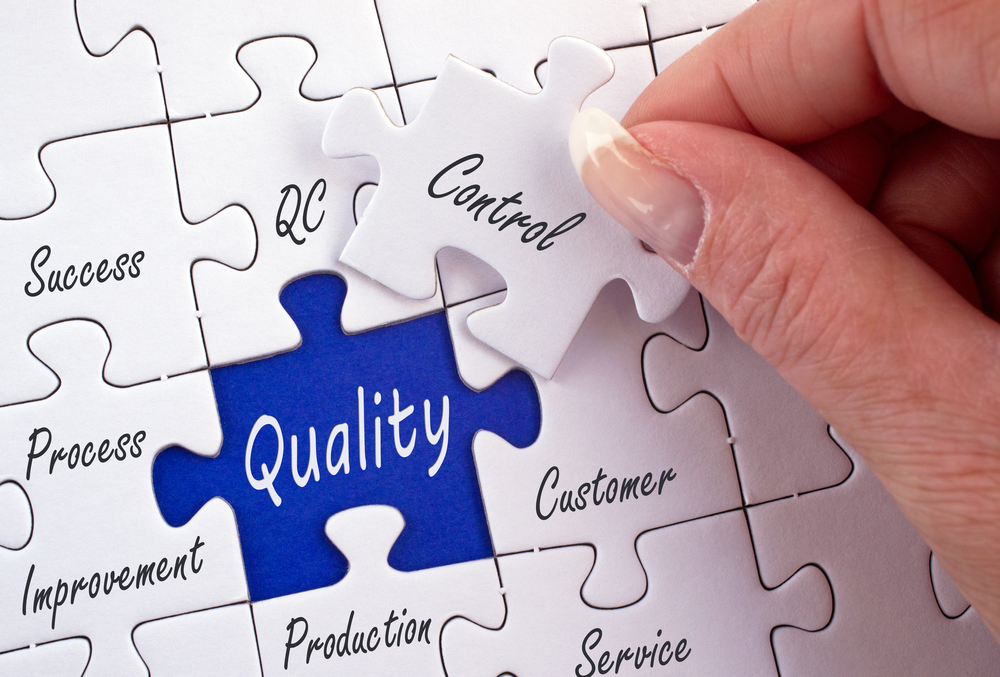
Imagine constructing a bridge. Each brick, each cable, each measurement must align perfectly—not simply for appearance, but for safety, longevity, and public trust. A single miscalculation could compromise the entire structure. Project management quality works much the same way: it ensures that every deliverable stands firm under pressure. When understood as an architectural blueprint for excellence, quality management stops being an afterthought and becomes the silent guardian of success. This idea is central to the lessons imparted during PMP training in Bangalore, where quality is not just a checkbox but a philosophy embedded in every step of project delivery.
Laying the Foundation: Planning for Quality
Think of quality planning as sketching the blueprint before laying the first stone. If the vision isn’t clear at the start, even the most skilled workforce will falter. In project terms, this means identifying relevant standards, compliance requirements, and customer expectations long before execution begins. A robust quality management plan acts like the architectural drawing—providing direction, benchmarks, and clarity for all stakeholders. Participants in PMP training in Bangalore often explore case studies where lack of proper planning led to project overruns, demonstrating how preventive thinking saves resources, reputation, and client trust.
Instruments of Precision: Quality Assurance
Once the blueprint is set, craftsmen must constantly check their tools. A carpenter won’t cut timber without ensuring the saw is sharp, and a surgeon won’t operate with a blunt scalpel. Quality assurance serves as these instruments of precision in projects. It is the systematic evaluation of processes to ensure that teams consistently deliver according to agreed standards. From internal audits to peer reviews, assurance provides the confidence that the project is moving in the right direction. In practice, it fosters a culture where mistakes are caught early, minimising costly corrections later.
The Watchful Eye: Quality Control
Imagine a jeweller polishing diamonds. Every angle is examined under magnification, ensuring the gem shines without flaws. Quality control plays the jeweller’s role in project environments. It focuses on inspecting outputs, running performance tests, and applying metrics to confirm that results align with requirements. Whether it’s software testing cycles or construction safety checks, control mechanisms validate the integrity of deliverables before they reach clients. This vigilant eye not only secures compliance but also assures stakeholders that the final outcome will gleam with reliability.
Continuous Improvement: The Spirit of Kaizen
Quality management is not static—it breathes, evolves, and improves with time. Borrowing from the Japanese principle of Kaizen, continuous improvement is the heartbeat of successful organisations. It encourages small but meaningful changes that compound into large-scale progress. For example, a project team might implement retrospective sessions after each sprint, gathering insights and adjusting methods for the next phase. Over time, these adjustments create a cycle of self-correction and advancement. This spirit of refinement makes projects not just compliant but resilient and adaptable to future challenges.
The Human Factor: Building a Culture of Excellence
Processes and tools alone cannot safeguard quality. True assurance emerges when every team member carries the responsibility for excellence. Just as a sports team relies on each player to execute their role with discipline, projects thrive when quality is embraced collectively. Training and mentorship play vital roles here, reinforcing best practices and embedding quality consciousness in day-to-day operations. Leaders set the tone, but it’s the unified commitment across roles that transforms quality from policy into practice.
Conclusion
Project quality management is more than a technical function—it is the guardian spirit of projects, ensuring that results not only meet but exceed expectations. From thoughtful planning to vigilant control, from precision-driven assurance to continuous improvement, quality techniques provide the scaffolding that upholds project success. In professional programmes like PMP training in Bangalore, learners gain hands-on exposure to these strategies, preparing them to lead projects where reliability, trust, and excellence are non-negotiable. Just as a bridge stands as a testament to the discipline of its engineers, a project becomes a landmark of success when quality is woven into every detail.