
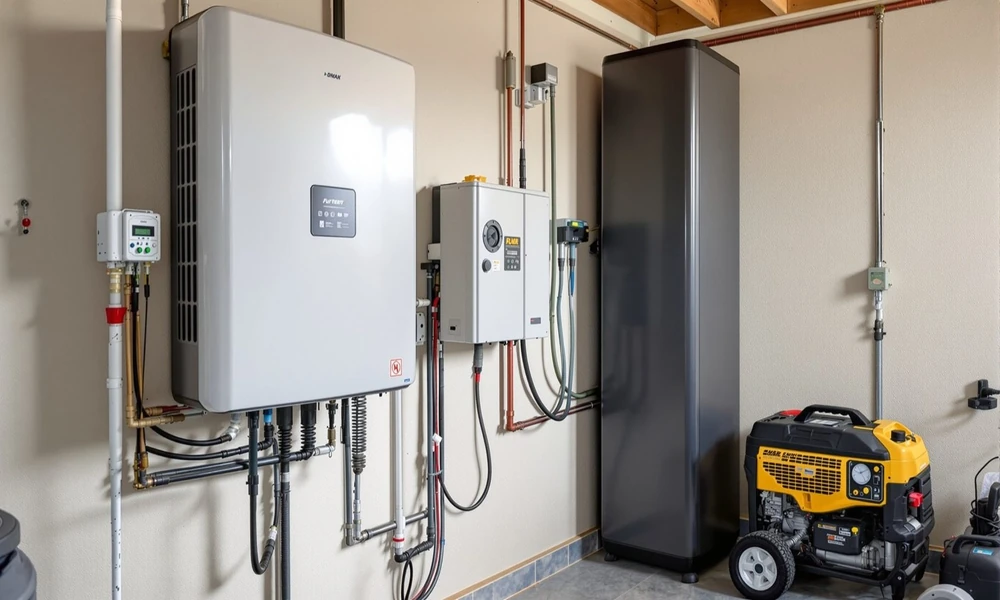
In our increasingly hyper-connected modern world, experiencing a sudden power outage is no longer just a minor inconvenience; it is a major disruption to our daily lives and personal security. When a severe storm strikes or the local grid unexpectedly fails, you immediately lose access to crucial necessities-refrigerated food begins to spoil quickly, essential medical equipment stops functioning, and remote work-from-home routines grind to an absolute halt. Investing in a reliable backup power solution is essential for modern households to maintain safety, comfort, and digital connectivity during unpredictable grid failures.
Before making a significant financial investment, it is absolutely crucial to understand what makes a suitable home system. Choosing the right generator (known in Thai as “เครื่องปั่นไฟ“) requires carefully evaluating several highly technical aspects to perfectly match your household’s specific energy demands. From calculating precise wattage loads to understanding different fuel types, making a well-informed decision will save you from unexpected frustrations and dangerous hazards. Let’s dive into the five critical factors you must consider before selecting the ultimate power backup system for your home.
1. Wattage Requirements
Before browsing models, you must accurately calculate your household’s total starting and running wattage. List essential appliances like refrigerators, pumps, and HVAC systems. A standard home generator needs enough capacity to handle the initial surge when heavy motor appliances turn on, which is often double their running watts. If you underestimate this metric, your system will overload and shut down precisely when needed most. Choose a unit with a 20% higher wattage capacity than your calculated total to ensure safe operation.
2. Fuel Types
Evaluate the fuel source that best fits your geographic location and preparedness plan. Options include gasoline, propane, or diesel. Gasoline is accessible but degrades over time and can be scarce during emergencies. Conversely, propane offers an exceptionally long shelf life and burns much cleaner, making it a fantastic alternative. Dual-fuel models are recommended because they allow your generator to seamlessly switch between two fuel types, providing ultimate flexibility and peace of mind when local fuel supplies run dangerously low during severe weather events.
3. Noise Levels
Homeowners often forget to check the decibel (dB) rating before purchasing. Operating a loud machine in a residential area will quickly lead to noise complaints. Always look for models operating below 65 decibels, roughly equivalent to conversational volume. An inverter-style generator is specifically engineered to run much quieter than conventional open-frame models because the engine dynamically throttles down when power demand is low. Prioritizing a low-noise unit ensures that your family remains comfortable and your neighborhood stays peaceful during stressful nighttime blackouts.
4. Portability vs. Standby
Decide whether you want a portable unit or a permanently installed standby system. Portable models are cost-effective but require manual setup and fuel refilling during an outage. On the other hand, a home standby system automatically detects power loss and turns itself on within seconds. While a standby generator requires professional installation and a higher upfront investment, it offers unparalleled convenience, connecting directly to your home’s electrical panel for completely hands-free, continuous emergency power protection.
5. Safety Features
Safety should never be compromised when dealing with combustion engines. The most severe risk is carbon monoxide (CO) poisoning. You must strictly choose a unit equipped with a built-in CO shutoff sensor. This life-saving technology automatically powers down the generator if dangerous levels of CO are detected in the vicinity. Furthermore, ensure the model has low-oil shutdown capabilities and robust circuit breaker protection to prevent engine damage and fires. Proper safety mechanisms guarantee the absolute physical safety of your family.
Preparing your home for unpredictable power outages is a critical responsibility that directly impacts your family’s overall safety, comfort, and well-being. As we have explored, carefully evaluating your exact wattage requirements, choosing the most efficient fuel type, considering neighborhood noise levels, deciding between portable and permanent standby models, and strictly prioritizing life-saving safety features are all non-negotiable steps. Never compromise on build quality or engineering standards when it comes to emergency preparedness, as a highly reliable continuous power supply is your ultimate lifeline during severe infrastructural disruptions.
If you are actively looking for top-tier electrical solutions and professional expert guidance, Chuphotic is a highly trusted, industry-leading brand dedicated to providing premium power protection systems. With decades of specialized industry expertise, Chuphotic offers innovative, durable, and highly efficient equipment specifically designed to keep your household running seamlessly no matter what catastrophic events happen to the main municipal grid. By choosing Chuphotic‘s advanced power solutions, you proactively ensure that your modern home remains perfectly powered, completely physically safe, and fully operational, ultimately granting you the absolute peace of mind you deserve during any severe emergency situation.