
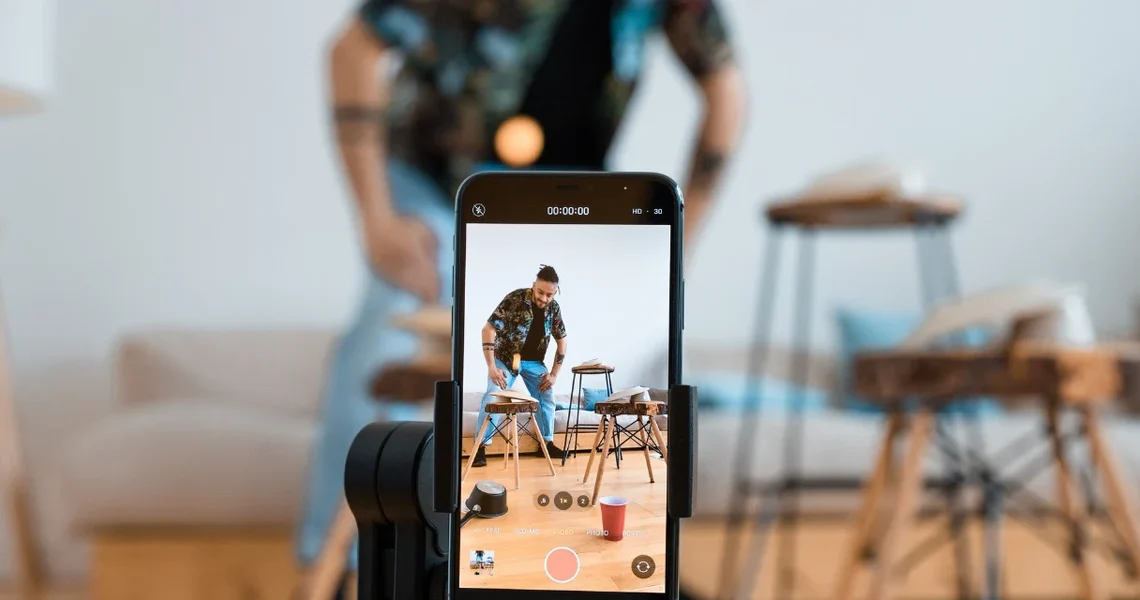
A tiktok live recorder can help people watch saved live content at a time that better fits their routine. Instead of changing meals, sleep, work, or family time around a live broadcast, viewers can save permitted content and return when they have free time.
That doesn’t automatically create healthier screen habits. The useful part is having more control over when viewing happens and how long it lasts.
How Can Recorded Lives Improve Viewing Habits?
Live broadcasts happen on the creator’s schedule. Your daily routine may not match it.
Recording a permitted stream means you don’t necessarily need to watch the whole event as it happens. You can choose a suitable viewing period later. You can also skip sections that aren’t personally useful.
For example, imagine a creator starts a 90 minute stream at 10:30 p.m. Watching the full broadcast could push bedtime past midnight. Saving it for a planned afternoon break removes that timing pressure.
What Screen Limits Make Sense?
There isn’t one perfect daily limit for every adult. Work needs, age, sleep patterns, and personal routines differ.
For children and teenagers, health guidance is more specific. The American Academy of Pediatrics recommends looking beyond a single time limit and considering whether media use is pushing out sleep, physical activity, schoolwork, or family time.
These figures are examples for personal planning rather than medical recommendations.
How Do You Build a Better Recording Routine?
Start by deciding what deserves recording. Saving every broadcast simply creates another queue demanding attention.
A few simple rules can help:
- Record only streams you genuinely expect to watch.
- Pick a viewing window before opening saved content.
- Stop when your planned viewing period finishes.
- Delete recordings that haven’t interested you after several days.
- Keep phones away during meals or focused work.
I think the fourth rule is surprisingly useful. If a recording has sat untouched for a week, do you really need to keep carrying it around?
Why Does Viewing Time Matter?
Timing affects what screen use replaces. A 25-minute recording watched during planned free time may fit comfortably into someone’s day. The same recording opened during dinner could interrupt conversation. Watching it immediately before sleep may also extend screen use later than planned.
The tiktok live recorder itself isn’t creating balance. The viewer’s timing choices are doing most of that work.
Frequently Asked Questions
- Does recording TikTok Live reduce screen time? Not automatically. It gives you more control over timing, but you still need personal viewing limits.
- Should I record every live stream I miss? Probably not. Save broadcasts you genuinely plan to watch so recordings don’t become another backlog.
- Can saved streams support better sleep habits? They can remove pressure to watch late broadcasts immediately. Your bedtime routine still depends on when you choose to watch them.
- How often should save recordings be deleted? There’s no required schedule. A weekly check is a simple way to remove recordings you no longer want.
- Is recording every TikTok Live allowed? Recording rules can depend on TikTok’s current terms, copyright rules, creator rights, and local law. Check the current rules before saving or sharing another person’s content.
What Creates Healthier Viewing Over Time?
Recording live content is most useful when it gives your day more flexibility rather than more screen time. Keep the recordings you value, choose clear viewing periods, and remove content you won’t watch. The goal isn’t a flawless routine. It’s a repeatable one that leaves enough room for sleep, movement, work, meals, and time away from the screen.